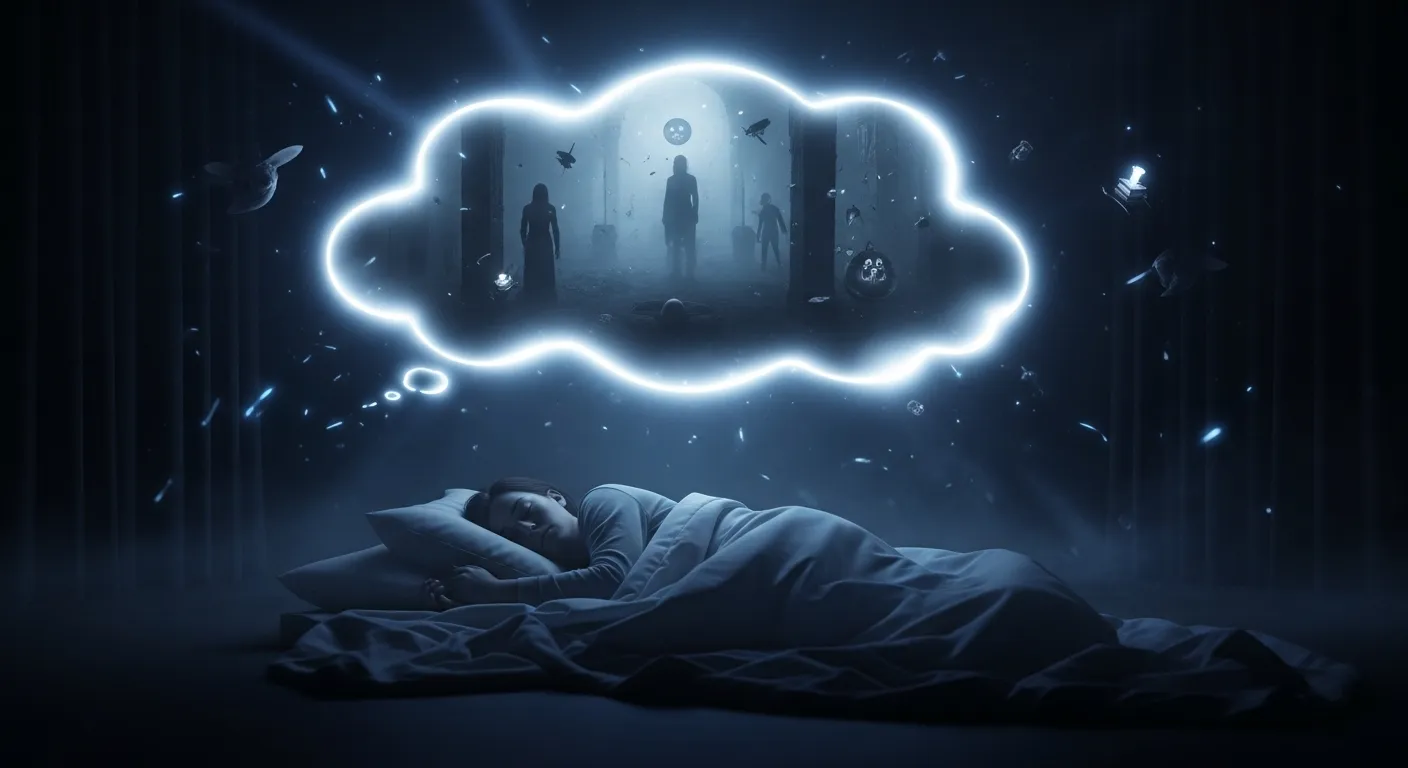
I still remember that night it didn’t feel like just a dream, it felt real, almost like something paranormal was happening to me. I woke up suddenly, my heart pounding, trying to understand what I had just seen. It wasn’t normal, and I couldn’t ignore it. I kept asking myself, why did I experience this?
Maybe you’ve felt the same after a strange dream confused, curious, even a little scared. I went through that exact feeling. At first, I tried to forget it, but it stayed in my mind all day. That’s when I decided to face it instead of avoiding it.
I started exploring its meaning, thinking about my emotions and what was going on in my life. Slowly, I realized this dream wasn’t random it was trying to tell me something deeper, something important about my inner thoughts and fears.
Understanding Paranormal Dreams: Psychology Meets Spirituality
Psychological Perspective
From a psychological viewpoint, paranormal dreams often reflect:
- Fear of the unknown
- Unresolved trauma or stress
- Repressed emotions surfacing symbolically
- A heightened imagination or sensitivity
Your brain uses intense imagery like ghosts, spirits, or unexplained events to process emotions you may not fully understand in waking life.
For example, seeing a shadowy figure may not be a “spirit,” but a representation of anxiety or something hidden in your subconscious.
Spiritual Perspective
Spiritually, paranormal dreams are seen very differently.
Many believe these dreams can be:
- Messages from higher consciousness
- Signs of spiritual awakening
- Encounters with energies or entities
- A call to become more aware of your inner self
In spiritual traditions, such dreams are not dismissed they are respected. They may symbolize that your awareness is expanding beyond the physical world.
Common Paranormal Dream Symbols and Their Meanings
1. Seeing Ghosts or Spirits
This often represents unresolved emotions, past memories, or people you haven’t emotionally “released.”
2. Being Watched or Followed
This may indicate guilt, fear, or avoidance. Spiritually, it can mean you’re being guided or observed by a higher force.
3. Haunted Houses
A house in dreams represents your mind. A haunted house suggests emotional baggage or suppressed memories.
4. Hearing Voices
Psychologically, this can reflect inner dialogue. Spiritually, it may be intuition trying to guide you.
5. Paralysis or Inability to Move
This is often linked to sleep paralysis, but symbolically it reflects feeling stuck or powerless in life.
Cultural Interpretations of Paranormal Dreams
Different cultures interpret paranormal dreams in unique ways:
Eastern Beliefs
In many Asian traditions, paranormal dreams are considered communication from ancestors or spirits. They are often taken seriously and even followed by rituals.
Islamic Interpretation
In Islamic dream interpretation, such dreams can be categorized as:
- True dreams (from divine source)
- Disturbing dreams (from negative forces)
- Dreams from one’s own mind
Seeing paranormal elements may suggest fear-based thoughts or spiritual imbalance, but also sometimes a warning or reminder to strengthen faith.
Western Beliefs
In Western psychology, paranormal dreams are usually linked to subconscious fears or media influence. However, modern spiritual communities are increasingly open to deeper meanings.
Connection to Chakras and Energy Blockages
Paranormal dreams are often linked to your energy system, especially:
Third Eye Chakra (Ajna)
- Associated with intuition and perception
- Overactive: vivid, intense, or paranormal dreams
- Blocked: confusion, fear, or misinterpretation
Root Chakra (Muladhara)
- Linked to safety and grounding
- Imbalance: fear-based dreams, including paranormal ones
Crown Chakra (Sahasrara)
- Spiritual connection and awareness
- Activation: dreams that feel “otherworldly” or beyond logic
If you’re frequently experiencing paranormal dreams, your spiritual awareness may be opening but without grounding, it can feel overwhelming.
Emotional Meaning Behind Paranormal Dreams
At their core, paranormal dreams often reflect:
- Fear of losing control
- Curiosity about the unknown
- Desire for deeper meaning in life
- Emotional wounds seeking attention
These dreams act like mirrors, showing you parts of yourself you may not consciously face.
Real-Life Examples of Paranormal Dream Experiences
Example 1: The Shadow Figure
I once dreamed of a dark figure standing silently in the corner of my room. I felt fear—but also curiosity. Later, I realized it symbolized a part of myself I had been avoiding: my fear of failure.
Example 2: The Whispering Voice
A friend shared a dream where she heard a voice guiding her through darkness. She later made a major life decision that aligned perfectly with her inner truth.
Example 3: The Haunted House
Someone dreamed repeatedly of being trapped in a haunted house. It turned out they were holding onto painful childhood memories they hadn’t processed.
What Should You Do After a Paranormal Dream?
Instead of fearing these dreams, try to understand them:
- Write it down immediately
- Notice your emotions during the dream
- Look for patterns or repeated symbols
- Reflect on your current life situation
- Practice grounding (meditation, breathing, nature)
These steps help transform fear into awareness.
FAQs:
1. Are paranormal dreams real or just imagination?
They are real experiences, but their meaning depends on interpretation—psychological or spiritual.
2. Do paranormal dreams mean something bad will happen?
Not necessarily. Most of the time, they reflect inner emotions rather than external danger.
3. Why do I keep having paranormal dreams?
It could be due to stress, spiritual awakening, or unresolved emotional issues.
4. Can paranormal dreams be messages from spirits?
Some spiritual beliefs say yes, but it’s important to stay grounded and not jump to conclusions.
5. How can I stop scary paranormal dreams?
Reduce stress, avoid heavy media before sleep, and practice calming rituals like meditation.
Conclusion
In conclusion, paranormal dreams often reflect the hidden layers of our subconscious mind rather than literal supernatural events. These dreams usually arise during times of emotional intensity, uncertainty, or inner transformation.
Symbols such as spirits, unknown forces, or unexplained events can represent fears, unresolved trauma, or even a heightened sense of intuition. Spiritually, they may indicate a deeper connection with your inner self, urging you to pay attention to your thoughts, energy, and life direction.
Psychologically, they act as a mirror, revealing what your waking mind may be avoiding. Instead of fearing these dreams, it is more helpful to observe them calmly and look for patterns or messages.
By doing so, you can turn a confusing or frightening experience into a powerful tool for self-awareness, healing, and personal growth. Ultimately, paranormal dreams are less about the unknown world and more about understanding your own inner reality.

I am Nathan Cole, exploring connections on DreamFlirtz.com I am confident, friendly, and always ready for a great chat.
I am someone who enjoys meeting amazing people and sharing good vibes. 🔥